SOB vs BPH Match 13 preview: Brave chase fourth straight at Rose Bowl, Phoenix look for the seam-bowling flip
Southern Brave host Birmingham Phoenix at the Rose Bowl on Thursday, 30 July 2026, with a 11:30 PM IST start. Brave arrive on three straight defeats yet still own the rivalry ledger; Phoenix arrive with a fully fit squad and a seam attack that wants the ball talking early.
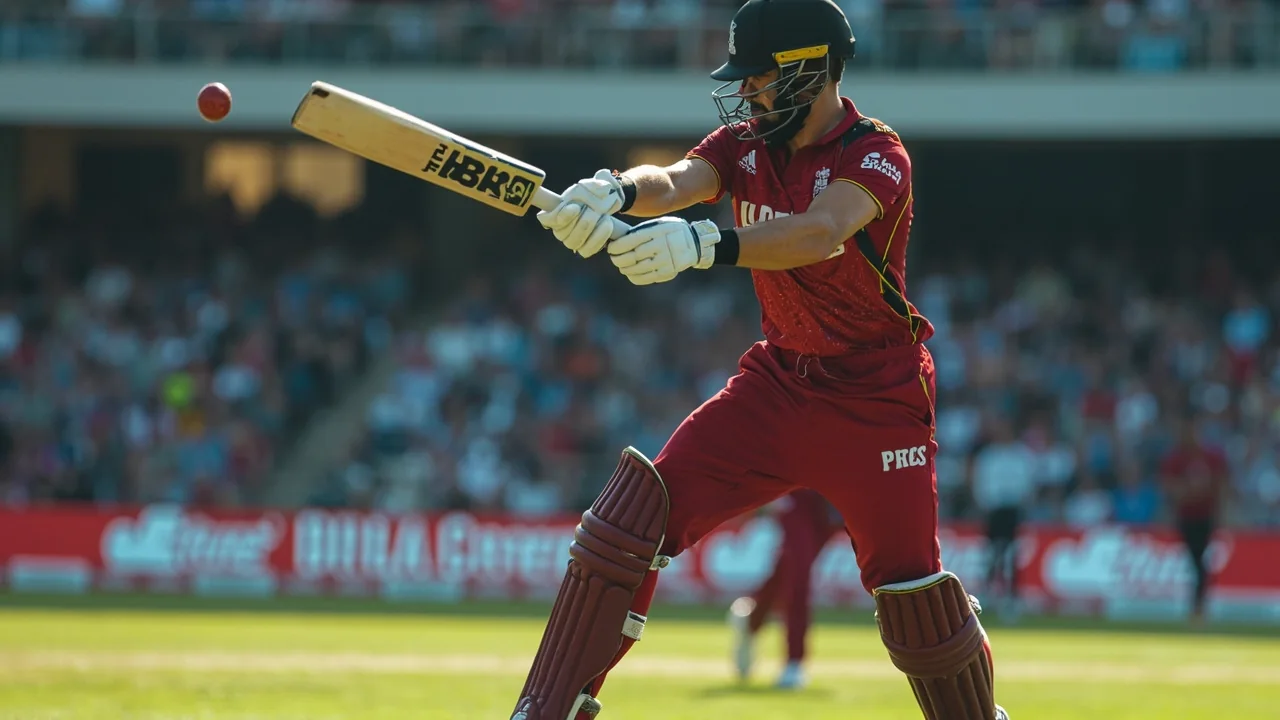
The Hundred Men's 2026 schedule hands Match 13 to Southampton, where Southern Brave host Birmingham Phoenix at the Rose Bowl on Thursday, 30 July 2026. The first ball is scheduled for 11:30 PM IST, late enough for Indian viewers to catch the toss and the new ball before midnight. The narrative is unusually sharp for a mid-table round: Brave are on a three-match losing run, yet still dominate the all-time head-to-head, while Phoenix arrive with full squad availability and a bowling unit that has shown it can win on any surface when the seamers hold their lines.
Chris Jordan, who leads the Brave side through the tournament, had his side installed as a moderate favourite in the pre-match note published on Wednesday. The case for Brave rests on two structural edges: a deeper, more settled batting card and a bowling attack that pairs Jofra Archer with Adil Rashid — two different kinds of threat in the same innings. Phoenix, captained by Donovan Ferreira, counter with an all-round side built around Rehan Ahmed in the middle overs and Ben Dwarshuis with the new ball. The Indian fantasy lens on both XIs is straightforward: Archer and Rashid remain the high-ownership anchors for Brave, while Joe Clarke, Ferreira and Tristan Stubbs are the run-makers worth tracking for Phoenix if the chase goes deep.
Match snapshot
That three-line snapshot fixes the operational picture. Date, venue and start time are settled. The rivalry count is the cleanest argument in the preview: across seven previous Hundred meetings between these two sides, Southern Brave have come out on top six times, with one win for Phoenix. That is the kind of pattern that usually reflects repeated squad strengths — calmer middle-order batting, sharper death bowling, more settled combinations — rather than a single freak afternoon. It does not lock the next result, but it does explain why the pre-match markets have not overreacted to Brave's three-match slide.
What Brave's three-match slide actually means
The thing to separate going in is the difference between "form" and "structure." Brave have lost three straight, which is the headline. The structure underneath is unchanged: Archer is still the new-ball bowler teams plan around, Rashid is still the middle-over spin operator, and the batting order from Jamie Smith at the top to David Miller in the middle still has both the platform-setter and the finisher. What those three losses have shown is what every side finds out in a 100-ball tournament eventually — that the margin between a competitive total and a chase-able one is small, and that one cluster of five bad balls can flip the result.
Marcus Stoinis's role at number five or six is the tactical lever for Brave. His seam-hitting gives the side a clean gear shift between overs ten and fifteen, and his off-spin overs plug one of Rashid's rest gaps when the captain wants to keep the strike bowler fresh. Against Phoenix, who have used Dwarshuis and the other seamers to dry up runs in the middle overs, Stoinis is the batter most likely to break that strangle if Jordan gives him the right match-up. He is also the most likely captaincy candidate in fantasy contests that penalise obvious picks, because his ownership sits in the mid-differential band rather than the consensus top.
Form note: Brave's three-match losing run is the headline. The structural edges — Archer with the new ball, Rashid in the middle, Smith and Miller through the order — are still in place. Read the slide as a small-sample variance, not a structural shift.
Phoenix's set-up under Donovan Ferreira
Phoenix's probable XI is the one to watch for the cleanest power-vs-power contrast in this round. Joe Clarke takes the gloves and opens the batting. Donovan Ferreira, in his The Hundred leadership role, slots into the middle order and carries the dual brief of stabilising a chase and accelerating at the death. Rehan Ahmed handles the spin-bowling duties through the middle overs, while Ben Dwarshuis leads the new-ball attack. The bench depth is real: Phoenix can call on batting depth from Jamie Smith-type finishers lower in the order and seam options if the surface holds more than expected.
The phrase in the preview worth carrying through is "fully fit squad." Unlike several other Hundred sides that have rolled through rotation cycles, Phoenix have no named injury concerns across the playing group. That matters for two reasons. First, it lets Ferreira pick the side he wants rather than the side he has to, which usually means a more settled role allocation through the batting order. Second, it gives the captain the freedom to be aggressive with the bowling changes instead of protecting fatigued options. In a format where the best captaincy move is often the one that breaks the predictable pattern, that flexibility is part of the Phoenix edge.
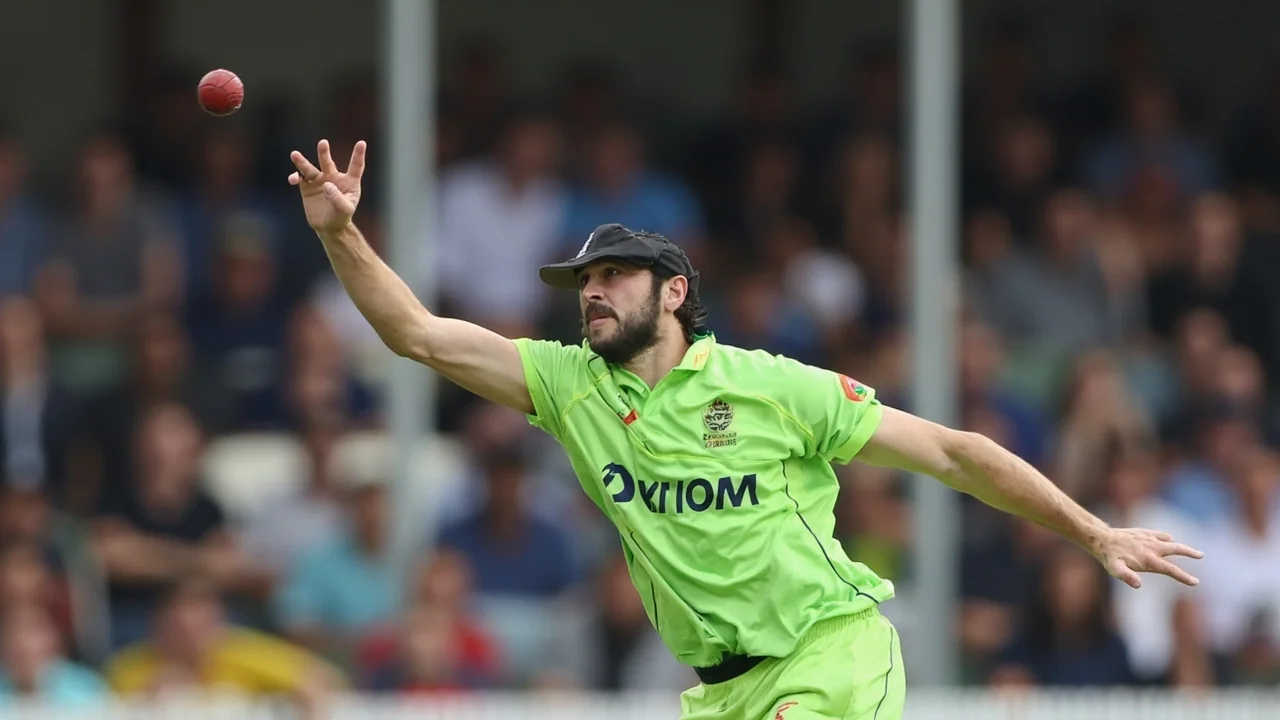
The players who will set the tone
Joe Clarke and Donovan Ferreira are the run-makers the preview names for Phoenix. Archer and Rashid are the contrast points for Brave. Whoever wins the first two overs of the powerplay usually wins the night.
The Rose Bowl pitch, in plain language
The ground note for the Rose Bowl is the same one Brave sides have prepared for every recent home game: fast bowlers friendly, ball moves and bounces, spinners get less help. The assessment is that "only two of the past ten games at the venue have been successfully defended," which is the kind of statement that should be read closely rather than quoted at face value. Translated into match tactics, it means batting second has been the smarter call at this venue more often than not, and that the captain winning the toss will most likely choose to bowl first.
The other side of that pitch note is what makes tomorrow night harder to call than a one-line toss prediction. If the seamers can find swing early, batting first becomes very difficult, and the team that batted second still has to chase on a surface that may not get easier as the night goes on. If the surface is flatter than expected — which is a real possibility in mid-summer English conditions — the captain who chose to bat first suddenly looks smart again. The honest reading is that the toss decision is closer to a coin flip than the headline pattern suggests, and both Jordan and Ferreira will weigh the actual overhead before announcing the call.
For fantasy players who build around seam-bowling picks, the pitch note is the cleanest signal. Archer from one end, Dwarshuis or one of the Phoenix seamers from the other, and the middle-overs economy of Rashid and Rehan Ahmed — those are the differences between a 130 and a 160. If the ball is moving under lights, the chase will happen at a tighter run rate than the day games, and captaincy should shift toward the bowlers. If the surface flattens, the captaincy math flips back to the batters.
Head-to-head: what 6-1 actually tells us
The 6-1 Brave advantage across seven meetings is the kind of stat that often gets repeated without being examined. The interesting sub-question is which of those seven games Phoenix actually won, and what flipped it. In general, the Phoenix win will have been a game where the new-ball seamers dismissed the Brave top order cheaply, the spin twins got taken apart, and Ferreira or one of the middle-order batters dragged the chase over the line. The games Brave won tended to follow the same pattern in reverse — Archer and Rashid controlled the middle overs, the Brave middle order finished with a clean acceleration, and the Phoenix batters were forced to take risks against Rashid's googly that they couldn't connect cleanly.
For the next game, the pattern matters more than the count. Phoenix's path to the win is to land early new-ball wickets, keep Rashid quiet in his first two overs, and use Rehan Ahmed to bowl against the right-handers in the Brave middle order. Brave's path is to give Archer four overs on the trot if the ball is moving, hold Rashid back for the back end of the chase, and let Stoinis and Miller finish. Both paths are executable; the difference on the night will be which captain reads the moments faster and which bowler lands the decisive set.
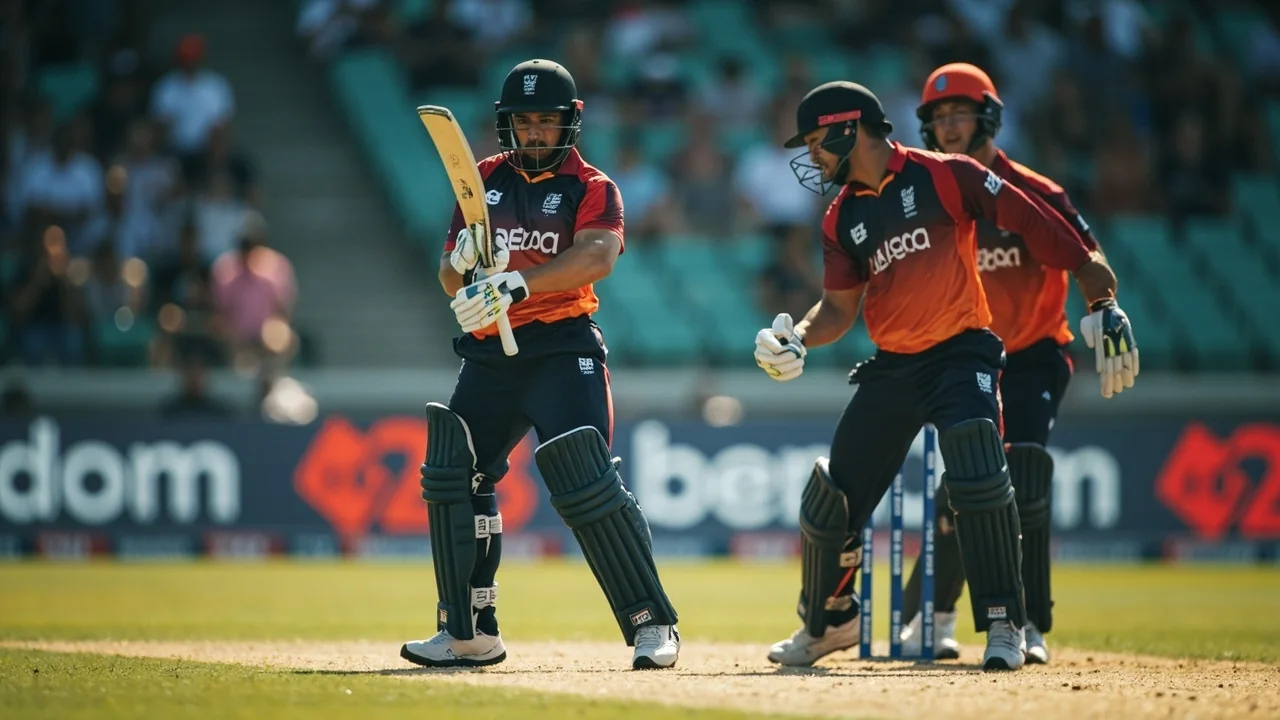
Tactical exchanges that decide Hundred nights
Rashid into the right-handers, Archer into the new ball, Dwarshuis into the top three, Rehan Ahmed into the middle overs — the four match-ups that will shape the win probability.
The expected playing XIs
The probable Brave XI reads: Tom Abell, Jamie Smith (wicketkeeper), Thomas Rew, David Miller, Marcus Stoinis, Tristan Stubbs, Nikhil Chaudhary, Chris Jordan (captain), Jofra Archer, Adil Rashid, Dan Worrall. That eleven spreads the bat through the order and gives Jordan four clear seam options plus Rashid as the spin control. The probable Phoenix XI reads: Joe Clarke (wicketkeeper), Donovan Ferreira (captain), Rehan Ahmed, Ben Dwarshuis, along with the rest of the named group in the pre-match briefing.
Both clubs have published these probable XIs as the working team sheet. There is no separate injury withdrawal named in the source briefing for this fixture; the availability picture is the cleanest it has been in either side's last three or four matches. Final XIs, of course, are announced at the toss, and last-minute swap windows in the Hundred are narrower than in longer formats because of the squad construction rules. The probable line above is the operational baseline until the toss graphic appears.
The toss call the preview is leaning toward
Five of the last seven matches at the Rose Bowl have been won by the chasing side, which is the data point the source briefing uses to lean toward Phoenix winning the toss and bowling first. That is the more aggressive read of the pitch note: trust the historical pattern, expect the surface to hold enough for the seamers through the first innings, and back the chase to be the easier route to a par-plus total. The pre-match pick is Birmingham Phoenix to win the toss and bowl first.
It is worth saying the obvious: the toss is not the match. Even when the chasing side has the better historical pattern, the margin is small, and the captain who calls wrong at the toss can still win the night if his bowlers land. The more useful framing is that the toss decision will tell us which of the two captains is reading the conditions the way the pre-match weather suggests. If Ferreira bowls first, he is trusting the seam-friendly note. If Jordan bats first, he is reading the surface as flatter than the headline and trusting his middle order to set a total. Either call is defensible. The result will come from execution, not from the coin.
Players under the brightest lights
The preview names six players to watch. For Phoenix, Joe Clarke at the top and Donovan Ferreira in the middle are the run-makers worth tracking. Tristan Stubbs is the second middle-order name to follow, mainly because his finishing record in shortened formats has been strong over the last two seasons. For Brave, the named run-makers are Jamie Smith at the top and David Miller in the middle, with Jordan setting the tone with the ball. The two Archer spells — the new-ball burst and the closing burst — are the structural points that everyone in the ground will be watching.
A few secondary levers will also matter. Rashid's googly to the left-handers is the most underrated match-up of the night, because Phoenix have at least one left-hander in the middle order. Miller's finishing against the slower bowlers is the Brave equivalent — if he is still in at the death, the Phoenix spinners will be the ones most under pressure. Captaincy in fantasy contests, whether overseas or in linked Indian mega contests, should weight these match-ups more heavily than raw season aggregates, because they are the ones that will actually fire tonight.
What the injury framing actually means tonight
The pre-match briefing does not list a fresh injury absence for either side. It says both clubs have a fully fit squad available for the match, which is the most usable form of that statement for anyone building a fantasy side. Where the briefings sometimes drift is in the gap between "fully fit" and "ready to play," and that gap is what the on-field warm-up will fill. For now, the working assumption is that the probable XIs above are the lineups that will play.
For fantasy managers who enter overseas contests, that distinction matters. Points projections tied to confirmed roles beat speculative benches. Smith as wicketkeeper-batter, Ferreira as captain, Archer and Dwarshuis as new-ball bowlers, Rashid as middle-over spin — those are the solid axes in the current note. Everything else is secondary stacking once those anchors are set. Updated injury information, if any appears, should be read off a club source or the official Hundred communication channel, not off social tag rephrasing.
Where Indian fans can watch
Live coverage in India is on JioHotstar, with the streaming feed carrying the full match from the toss graphic onward. Given the 11:30 PM IST start, the practical Indian lens is the second half of the night, when the chase or the death overs begin. If the pre-match weather holds, the broadcast window will sit at the boundary between the end of the day games and the start of the late fantasy windows, which is the slot that draws the most captaincy changes in linked mega contests. The toss confirmation on the broadcast feed is the most reliable single signal for late fantasy locks, even if the playing XI is the same as the probable list.
Match prediction — and its limits
The pre-match pick is Southern Brave to win, with a 55% to 45% probability over Birmingham Phoenix. The case for Brave is the bowling depth, the lower-order batting, and the head-to-head pattern. The 6-1 rivalry count, the two-pronged Archer-Rashid attack, and the home advantage are the structural reasons the probability read tips the home side. The case for Phoenix is not a long shot: a fully fit squad, an adaptable spin option in Rehan Ahmed, and a new-ball attack that can take early wickets on a moving surface. If Phoenix dismiss the Brave top three inside the first 25 balls, the probability math flips without changing the headline pick.
A clearer way to hold the prediction is conditional. If Brave's seamers take two wickets inside the first 25 balls, the historical pattern is likely to reassert itself and the chase will become the harder route for Phoenix. If Phoenix survive that burst with wickets in hand on a surface that eases, the Brave loss run becomes a more relevant narrative than the 6-1 head-to-head, and Ferreira's batting depth will start to matter more than Jordan's bowling. Either outcome is realistic. The expected probability reflects the slightly more probable route, not a guarantee.
Fantasy implications worth flagging now
For Daily Fantasy Sports and linked Indian mega contests that cover the Hundred, the smart projection is the one that reads the surface before the captaincy is locked. Archer, Rashid and the Brave lower-order batters are the anchor layer. Stoinis at the differential captaincy spot is the contrarian play if the matchup logic is right. For Phoenix, Clarke at the top, Ferreira in the middle, and Dwarshuis with the new ball are the core anchor group; Rehan Ahmed at the spin slot is the rupee-aware differential if the surface turns even slightly. Weight projections to the surface note, not to the season aggregates, and the captaincy picks will fall into place.
The other useful fantasy habit is to treat the toss graphic as the actual signal. Probable XIs are the planning baseline. The confirmed XI, the bat/bowl call, and the first new-ball pair are the inputs that change the projection. Anyone who locks a captain before the toss is leaving points on the table no matter how good the season form looks. The cleanest process is to brief the side off the probable XI, then re-key the captaincy pick the moment the broadcast graphic confirms the actual eleven and the chosen innings.
Where this fits in the wider tournament story
Match 13 is not a knock-out, but it sits in the middle of the round where the playoff picture is starting to take shape. A Brave win would stop their slide, re-establish the home record, and pull them back toward the upper half of the table. A Phoenix win would lift them above Brave on net run rate if the chase is emphatic, extend Brave's losing run to four, and turn the rivalry ledger from 6-1 into 6-2 — a small movement on paper, but a louder one in the dressing room. Both teams have reasons to play it straight, and both captains have the squad depth to do so.
For Indian viewers and fantasy players following the Hundred alongside the home calendar, the pattern is the same as it has been for the rest of the tournament: track the confirmed XIs, the toss, and the first two overs of the powerplay. Those three data points are the difference between a clean read and a speculative one. The full fantasy tips blog desk continues to file pre-match notes, captaincy calls and form reads in the same register: confirmed facts first, interpretation second, and no invented injury lists.
Key takeaways before toss
- Southern Brave host Birmingham Phoenix in The Hundred Men's 2026 Match 13 at the Rose Bowl, Southampton, on Thursday, 30 July 2026, starting 11:30 PM IST.
- Chris Jordan captains Brave; Donovan Ferreira captains Phoenix and keeps wicket.
- No fresh injury absences are named in the source briefing; probable XIs are the working team sheet.
- Head-to-head in The Hundred: Brave 6, Phoenix 1 from seven meetings.
- Pitch expected to aid fast bowlers early; only two of the last ten Rose Bowl games have been successfully defended.
- Players flagged: Jamie Smith, David Miller, Jofra Archer and Adil Rashid for Brave; Joe Clarke, Donovan Ferreira, Tristan Stubbs, Rehan Ahmed and Ben Dwarshuis for Phoenix.
- India broadcast: JioHotstar with live streaming.
- Preview lean: Southern Brave, on bowling depth and home conditions, with Birmingham Phoenix to win the toss and bowl first.
Editor's note: Team news for SOB vs BPH should be updated only when clubs or the competition confirm a change. Until then, treat the probable XIs above as the operational baseline and treat social injury chatter as unconfirmed.
Probable XIs at a glance
Southern Brave: Tom Abell, Jamie Smith (wk), Thomas Rew, David Miller, Marcus Stoinis, Tristan Stubbs, Nikhil Chaudhary, Chris Jordan (c), Jofra Archer, Adil Rashid, Dan Worrall.
Birmingham Phoenix: Joe Clarke (wk), Donovan Ferreira (c), Rehan Ahmed, Ben Dwarshuis, plus the rest of the named group in the pre-match briefing.
What comes next on match night
The next hard checkpoint is the on-field toss at the Rose Bowl, due in the window roughly 15–20 minutes before the 11:30 PM IST start. That is when Chris Jordan and Donovan Ferreira lock final elevens and state whether either side trusts the seam-friendly pitch note enough to bowl first. Those confirmed cards — not the probable lists circulating ahead of the game — are the update that should revise late fantasy locks and streaming plans.
Immediately after the toss graphic, watch two narrower signals. First: which new-ball pair opens — Archer with Worrall or Jordan for Brave, Dwarshuis with the second seamer for Phoenix — because that choice advertises how long each captain expects the ball to move. Second: the first bowling change inside the opening 25 balls, which will show whether the strike bowler is being held for a second burst while the surface still offers bite. Those two decisions, not social injury chatter, are the concrete developments that turn this briefing into live team news.