SRL vs SOB Match 5 team news: Sunrisers Leeds host Southern Brave at Headingley with both sides chasing their first points
On Saturday, 25 July 2026, Sunrisers Leeds met Southern Brave in The Hundred Men's Match 5 at Headingley, Leeds, with a 7:05 PM IST start. Both teams arrived 0-1 after opening losses, and the pre-match note pointed to a seam-friendly surface under cloudy skies.
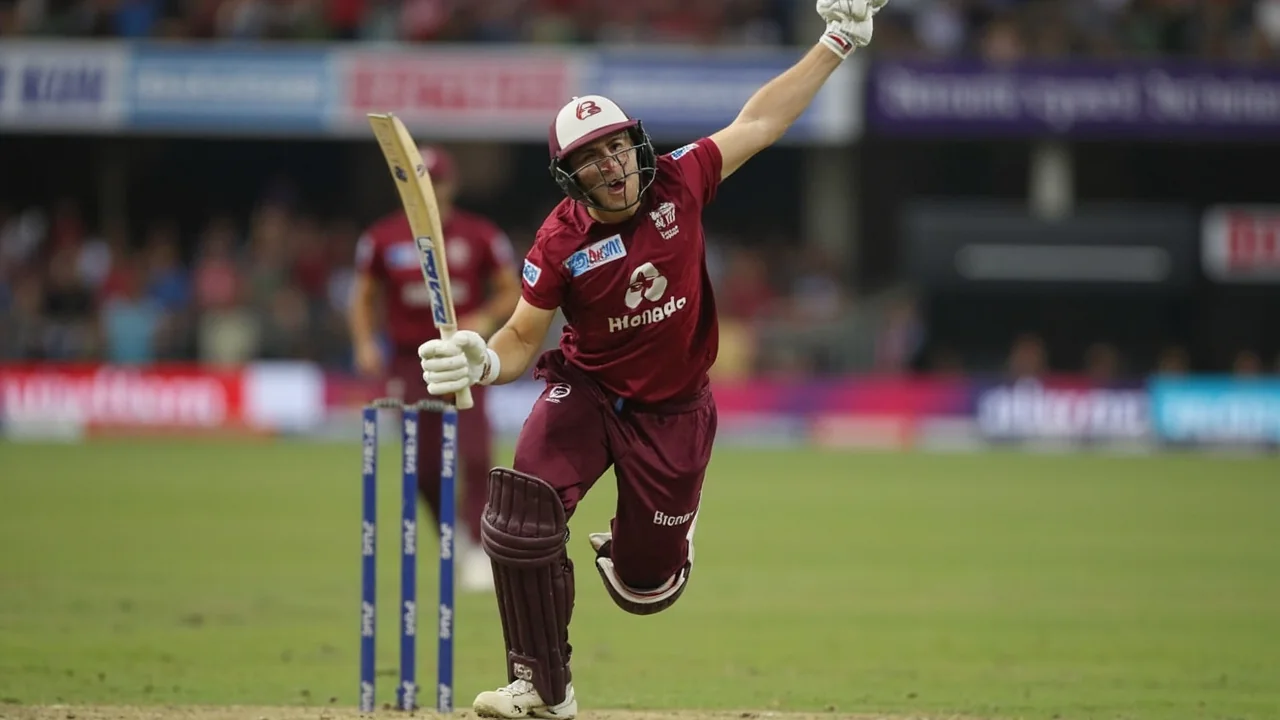
The Hundred Men's 2026 schedule placed Sunrisers Leeds and Southern Brave together for Match 5 at Headingley, Leeds, on the evening of Saturday, 25 July 2026. The first ball was timed for 7:05 PM IST, a window that suits Indian fantasy players who want to lock a captain before the evening commute. The single sentence that framed the night: both sides had lost their opening fixture, so the league table had not yet separated the contenders from the rest, and Headingley was the first opportunity for either to open the account.
Sunrisers Leeds began the tournament with a seven-wicket defeat against MI London. Mitchell Marsh produced the most measured innings on the losing side, and Brydon Carse impressed with the ball in a contest that slipped away through the middle overs rather than the new-ball burst. Southern Brave's opening result was a six-wicket loss to Welsh Fire. David Miller held the innings together with the bat and Nikhil Chaudhary was the standout bowler, which is the same pattern Brave fans have come to expect from him in this format. The two sides then arrived at Headingley with the same record and the same urgency: first points of the season.
Match snapshot
That snapshot fixes the operational picture. The two sides meet at one of England's most batting-friendly international venues, on a mid-summer evening when Headingley tends to reward patience early and stroke-making later. The temperature and humidity note from the pre-match briefing points to overcast skies, which usually tips the first hour toward the seamers who can find late movement. For a Hundred side that has just lost its opener, the temptation is to bowl first and chase. For the side that has just been chased down, the temptation is to bat first and post. The toss call was likely to come down to which captain read the cloud cover the more optimistically.
What the opening losses actually changed
The simplest reading of the night is that both teams were desperate to bounce back, and the pre-match framing made that the dominant narrative. The more useful reading is that neither side had been embarrassed in defeat. MI London chased Sunrisers Leeds down with seven wickets in hand, but Marsh's innings and Carse's spell kept the margin smaller than the scoreline suggested. Welsh Fire beat Southern Brave by six wickets, but Miller's anchoring knock and Chaudhary's bowling gave Brave fans the kind of performance that travels across venues. The first fixture was not a clean read of either team's ceiling.
For fantasy players building a side off the back of one match, that distinction matters more than it sounds. A single opening loss with a clear standout performance is not the same as a single opening loss with a flat team display. The probable XIs for Headingley were both designed to extend the positives from those opening fixtures rather than rip them up. Marsh's batting shape at Sunrisers Leeds and Miller's finishing role at Southern Brave were the two player-level signals the pre-match briefing asked fantasy managers to weight into their captaincy math.
Form note: Both sides entered Match 5 at 0-1. Marsh held the bat together for Sunrisers Leeds against MI London; Miller and Chaudhary were the standout performers for Southern Brave against Welsh Fire. Read those performances as the baseline, not the ceiling.
The Headingley conditions, in plain language
The pre-match weather note was cloudy skies, a temperature of 18.4 degrees Celsius, and 77 percent humidity. That is the kind of English summer evening that tends to help seamers find some shape in the air and on the surface, but does not usually turn into a green seamer. The cloud cover is the relevant variable for the first innings; the humidity becomes more relevant if the ball gets soft later. Neither reading was extreme, and the briefing flagged that the toss decision was likely to swing on a captain's read of the overhead conditions rather than on a hard rule.
The pitch assessment carried through to the same conclusion. Headingley offers early assistance for seamers, good bounce for batters, and stroke-making that gets easier as the innings progresses. The short boundaries at the ground, on the kind of evening when the ball travels, were the third factor the briefing flagged. The combination — early seam help, late-innings batting ease, short square boundaries — pointed to a match that could swing both ways depending on the powerplay. A side that survives the new-ball burst with wickets in hand could push well past par. A side that loses two or three in the first 25 balls would find itself chasing a low score with the surface still offering the bowlers a fraction.
For the fantasy lens, the cleanest signal was that seamers would be the early-value picks, and batters would be the late-value picks. Anyone reading the captaincy projections off the pre-match briefing should have weighted the new-ball spell more heavily than the death overs, and should have given the middle-order batters more value in the chase than in the first innings. That is the kind of conditional read that usually separates a top-quartile fantasy performance from a middle-of-the-pack one.
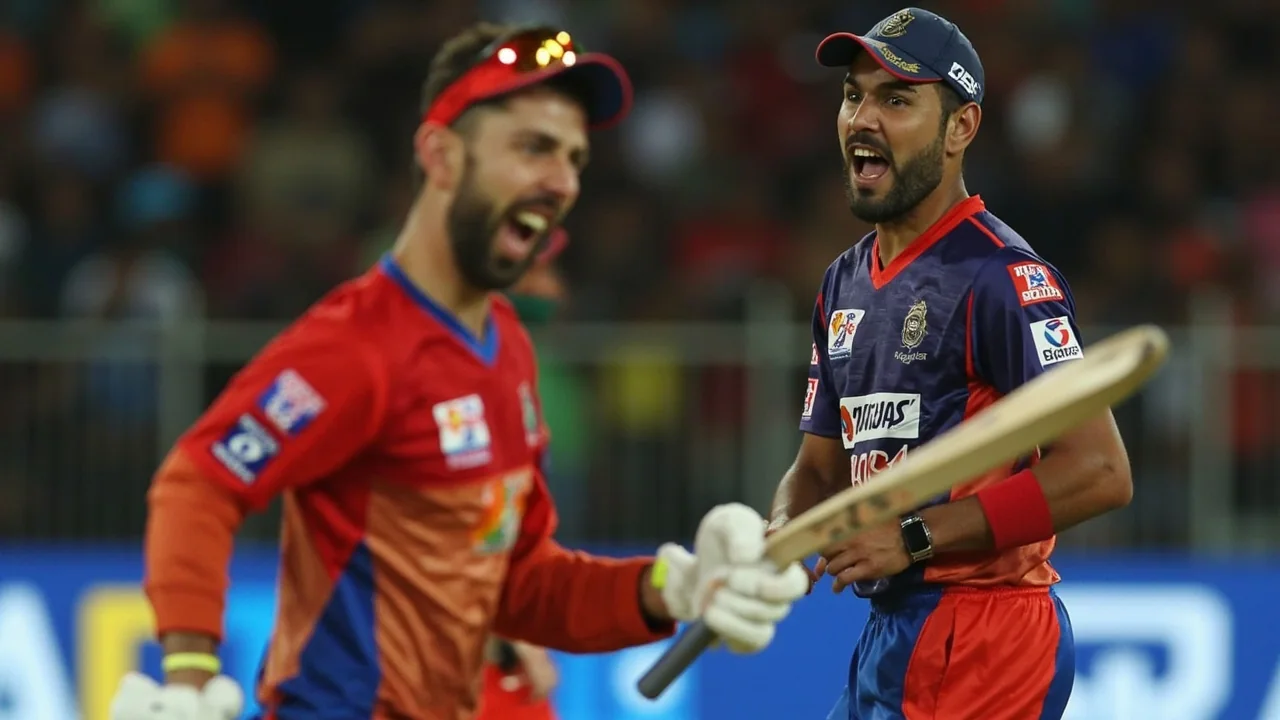
The all-rounders who will set the tone
Mitchell Marsh is the Sunrisers Leeds captaincy favourite on the back of his opening knock; Brydon Carse is the new-ball lever with the ball. For Southern Brave, Jofra Archer and Nikhil Chaudhary carry the early spells.
The probable Sunrisers Leeds XI
The probable Sunrisers Leeds XI read: Zak Crawley (captain), Ryan Rickelton (wicketkeeper), Harry Brook, Dan Lawrence, Brydon Carse, Benny Howell, Mitchell Marsh, Abrar Ahmed, Nathan Ellis, Matthew Potts, with Tom Alsop as a likely name alongside the rest of the batting group. The bench included Thomas Lawes, Ed Barnard, Liam Patterson-White, Reece Topley, Charlie Allison and Matthew Revis. The shape was an experienced top order around Crawley and Brook, an all-rounder cluster with Howell and Marsh, and a four-man seam attack that pairs Carse with Ellis and Potts, with Abrar Ahmed as the spin control through the middle overs.
The captaincy pick the briefing leaned toward was Mitchell Marsh. The reasoning was simple: he had scored 41 runs in his only previous Hundred appearance, the opening fixture against MI London, and would be looking to build on that platform. For fantasy managers running differential captains in mega contests, Marsh sat in the band between obvious consensus picks and obscure bench names, which is exactly the slot that tends to outperform ownership-weighted projections in this format. The vice-captaincy lean, on the side of the differential captain, was Jamie Smith on the strength of his 434 runs across 19 innings, even though Southern Brave entered the night 0-1.
The probable Southern Brave XI
The probable Southern Brave XI read: Jamie Smith (wicketkeeper), Tristan Stubbs, Tom Rew, David Miller, Ben McKinney, Nikhil Chaudhary, Chris Jordan (captain), Jofra Archer, Adil Rashid, Daniel Worrall, Luke Wood. The bench was MS Pepper, C Falconer, TB Abell, MP Stoinis, M Lumsden and Saif Zaib. The batting card spread from Smith at the top through Miller in the middle to Rashid and Jordan at the lower end, with Archer's death-over batting as the finisher if the chase stayed close. The bowling card was Jofra Archer and Chris Jordan with the new ball, Adil Rashid as the middle-overs spin control, Daniel Worrall and Luke Wood as the seam-support options, and Nikhil Chaudhary as the chippy change-up who impressed against Welsh Fire.
That XI is the cleanest contrast to Sunrisers Leeds on paper. Brave have the bigger names in the new-ball attack, the deeper spin option, and the more experienced finisher in David Miller. Sunrisers Leeds have a sharper top-order platform around Crawley and Brook and a wider seam rotation through Howell and Carse. The match-up maths was less about one side outscoring the other on paper and more about which captaincy move landed the cleaner overs on the night.
Head-to-head context the Hundred has built so far
The Hundred's head-to-head ledger between Sunrisers Leeds and Southern Brave had begun to build across the previous seasons, with the source briefing publishing the broad strokes of recent meetings rather than a single clean count. The pattern through those matches had tended to reflect the same structural advantage that Brave carried into this night: a deeper batting card, a sharper new-ball attack through Archer and Jordan, and a more settled spin option in Rashid. Sunrisers Leeds had answered those edges with a sharper top order and a more aggressive all-rounder cluster through Howell and Marsh.
For the night at Headingley, the head-to-head pattern was a secondary signal at best. Both sides were 0-1, both sides were looking for their first points, and the venue conditions were the kind that neutralised the differences in batting depth in the first 25 balls. The cleaner read was that the team which won the toss and used the conditions cleanly would likely take the win, regardless of how the historical ledger looked. That is the kind of match where process beats pattern.
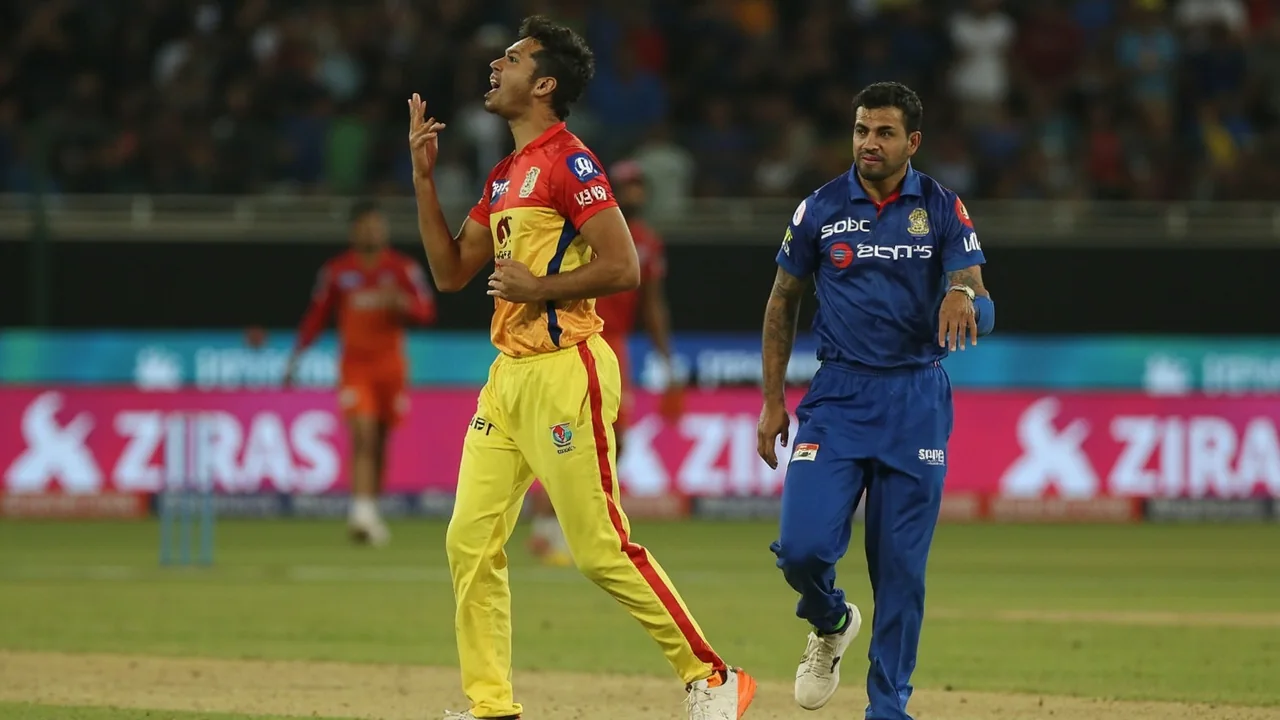
Tactical exchanges that decide Hundred evenings
Rashid into the right-handers, Archer with the new ball, Crawley and Brook against the change-up seamers, Marsh against spin in the middle overs — the match-ups that shape the win probability on a Headingley evening.
The injury framing the briefing actually carried
The pre-match briefing did not list a fresh injury absence for either side. The working note said injury and availability information would be added when an update became available, and the probable XIs were the operating baseline until the broadcast graphic confirmed the final elevens. For fantasy managers who lock teams off the briefing, the cleanest read is that the probable XIs are the planning assumption, not the final XI. Anyone running a multi-entry strategy should have been ready to swap a probable starter for a bench name if a late update appeared on the official Hundred channels.
The other useful habit for the night was to read the toss graphic as the actual signal rather than the briefing. The probable XIs are the baseline; the confirmed XI, the bat or bowl call, and the first new-ball pair are the inputs that change the projection. For any Indian viewer building a mega-contest side around Match 5, the broadcast feed from the toss is the moment when the captaincy lock should have been finalised, not before. That habit usually adds a measurable number of points to a fantasy total across a Hundred season.
Where Indian fans could watch
Live coverage in India was on Star Sports Network, with the live streaming feed carried on JioHotstar. The 7:05 PM IST start sat in the early-evening slot, which is the cleanest window for Indian fantasy players to lock their captaincy call before the match begins. The broadcast feed from the toss graphic was the most reliable single signal for late fantasy locks, even if the playing XI matched the probable list. Anyone building a fantasy side off the source briefing should have been watching the broadcast window from 6:45 PM IST onward, not waiting for the first ball.
The captaincy and vice-captaincy lean
The pre-match briefing's published captain pick was Mitchell Marsh at 8 credits on the back of his 41-run knock against MI London and his all-rounder ceiling. The vice-captaincy lean was Jamie Smith at 6 credits, on the strength of his 434 runs across 19 innings and his wicketkeeper bonus in the points system. Both picks were on the differential side of the ownership ledger, which is the more interesting read for fantasy managers who want to separate from the consensus rather than follow it. Marsh's appeal was the dual role with bat and ball; Smith's appeal was the wicketkeeper bonus layered on top of a top-order batting position in a Brave batting card that usually finds a way through.
The two players the briefing asked fantasy managers to avoid were Saif Zaib at 8.5 credits and Thomas Lawes at 7 credits. Zaib was the bench name who would have needed an injury-promotion to slot into the playing XI; Lawes was a Sunrisers Leeds batting option whose role in the probable XI was unclear. Both avoidance notes were useful for trimming the late-locked mega-contest entries, where every credit saved on a non-playing name is a credit that can be reallocated to a confirmed starter.
The points-system view from a fantasy lens
The Hundred's points system rewards boundary-hitting batters and wicket-taking bowlers more heavily than dot-ball accumulation, which is why the seam-friendly first hour at Headingley was such an important variable for the captaincy maths. Marsh's appeal was not just his 41 runs; it was the dual chance of a wicket with the ball to add to his points tally. Smith's appeal was the wicketkeeper bonus layered on top of his batting position. Rashid's appeal was the middle-overs spin-bowling points that compound even when the batters refuse to take him on. These are the levers that separate a clean fantasy total from a flat one on a Headingley evening.
For the late-locked mega-contest entries, the practical habit was to start with the captaincy picks the briefing leaned toward, then layer in the differential options for the role players. Archer at the new ball was the high-ownership anchor pick; Rashid at the spin slot was the medium-ownership smart pick; Miller at the finishing role was the third anchor on the Southern Brave side. For Sunrisers Leeds, Crawley at the top, Brook in the middle and Carse with the new ball were the three roles worth weighting more heavily than the season aggregates suggested. The captaincy math came together around those role calls more than around the headline names.
What the night at Headingley actually answered
The clearest single-sentence answer to the night at Headingley is that whichever side landed the cleaner first 25 balls with the ball would have the better chance of taking the win. The probable XIs gave both captains a usable new-ball pair and a workable spin option. The conditions gave both captains a reason to bowl first if they won the toss. The form note gave both captains the same lesson from their opening loss: keep wickets in hand through the powerplay, then accelerate.
The full fantasy tips blog desk continues to file pre-match notes, captaincy calls and form reads in the same register as this briefing: confirmed facts first, interpretation second, and no invented injury lists. Match 5 was the kind of fixture that rewards the manager who treats the probable XI as a baseline rather than a forecast, and the captaincy pick as a conditional read rather than a fixed call.
Key takeaways before the toss
- Sunrisers Leeds met Southern Brave in The Hundred Men's 2026 Match 5 at Headingley, Leeds, on Saturday, 25 July 2026, with a 7:05 PM IST start.
- Both sides entered the fixture at 0-1 after opening losses to MI London and Welsh Fire respectively.
- Probable Sunrisers Leeds XI included Zak Crawley (captain), Ryan Rickelton, Harry Brook, Dan Lawrence, Brydon Carse, Benny Howell, Mitchell Marsh, Abrar Ahmed, Nathan Ellis and Matthew Potts.
- Probable Southern Brave XI included Jamie Smith (wicketkeeper), Tristan Stubbs, Tom Rew, David Miller, Ben McKinney, Nikhil Chaudhary, Chris Jordan (captain), Jofra Archer, Adil Rashid, Daniel Worrall and Luke Wood.
- Weather note: cloudy skies, 18.4°C, 77% humidity.
- Pitch note: early seam assistance, good bounce, stroke-making easier later, short boundaries conducive to high scoring.
- Pre-match captain pick: Mitchell Marsh (8 credits). Vice-captain lean: Jamie Smith (6 credits). Avoid: Saif Zaib and Thomas Lawes.
- India broadcast: Star Sports Network and JioHotstar.
- The pre-match briefing did not list a fresh injury absence for either side; probable XIs were the working team sheet.
Editor's note: Team news for SRL vs SOB was updated only when clubs or the competition confirmed a change. Until then, the probable XIs above were the operational baseline and any social injury chatter was treated as unconfirmed.
Probable XIs at a glance
Sunrisers Leeds: Tom Alsop, Ryan Rickelton (wk), Zak Crawley (c), Harry Brook, Dan Lawrence, Brydon Carse, Benny Howell, Mitchell Marsh, Abrar Ahmed, Nathan Ellis, Matthew Potts. Bench: Thomas Lawes, Ed Barnard, Liam Patterson-White, Reece Topley, Charlie Allison, Matthew Revis.
Southern Brave: Jamie Smith (wk), Tristan Stubbs, Tom Rew, David Miller, Ben McKinney, Nikhil Chaudhary, Chris Jordan (c), Jofra Archer, Adil Rashid, Daniel Worrall, Luke Wood. Bench: MS Pepper, C Falconer, TB Abell, MP Stoinis, M Lumsden, Saif Zaib.
What came next at Headingley
The next hard checkpoint was the on-field toss at Headingley, due in the window roughly 15–20 minutes before the 7:05 PM IST start. That was when Zak Crawley and Chris Jordan locked the final elevens and stated whether either side trusted the cloud cover enough to bowl first. Those confirmed cards — not the probable lists circulating ahead of the game — were the update that should have revised late fantasy locks and streaming plans.
Immediately after the toss graphic, the two narrower signals worth watching were the new-ball pair opening — Carse with Ellis or Potts for Sunrisers Leeds, Archer with Worrall or Wood for Southern Brave — because that choice advertised how long each captain expected the ball to move under the Leeds skies, and the first bowling change inside the opening 25 balls, which showed whether the strike bowler was being held for a second burst while the surface still offered bite. Those two decisions, not social injury chatter, were the concrete developments that turned the briefing into live team news.